
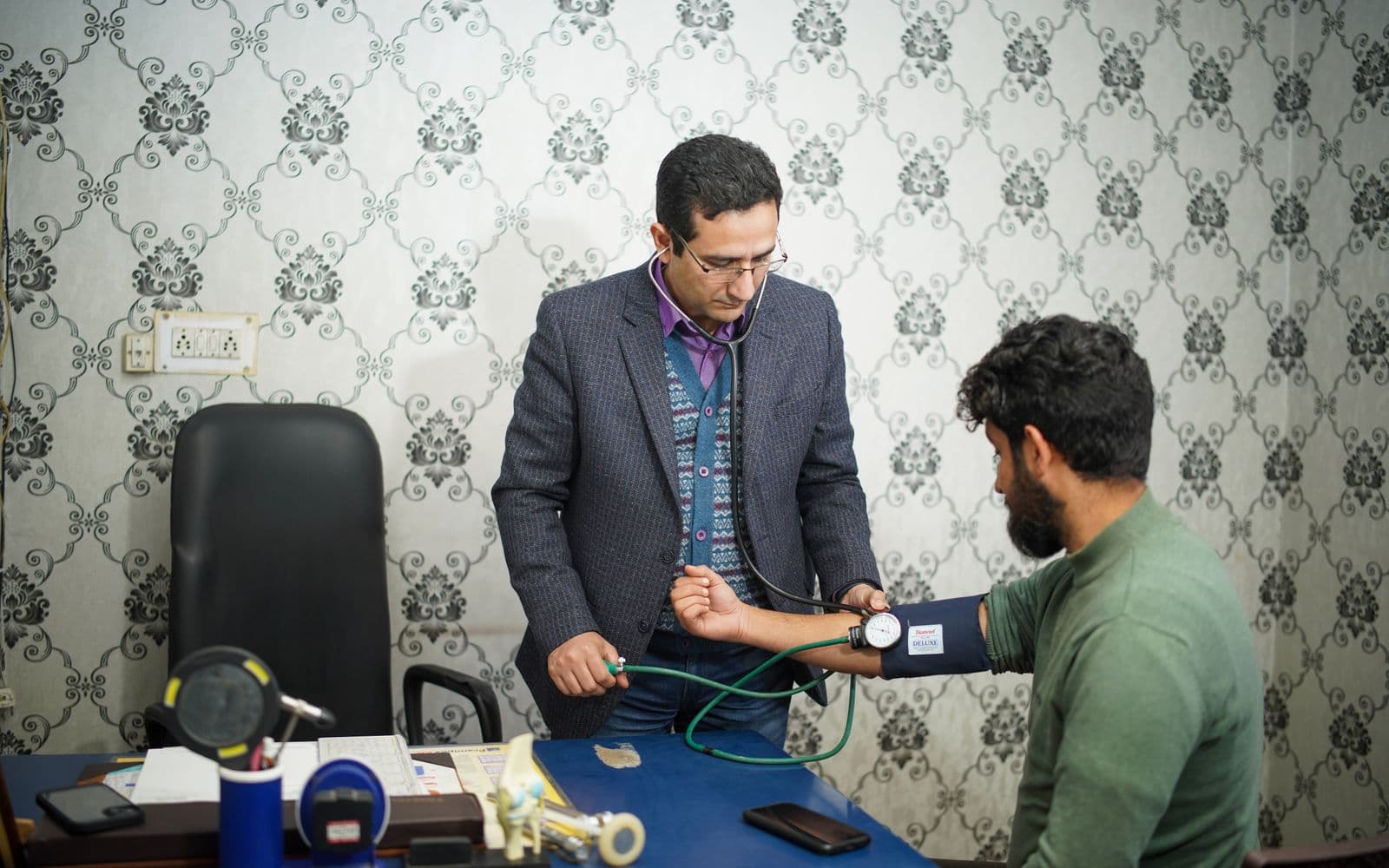
A hospital management system in Pakistan connects every part of a healthcare facility, from patient registration and OPD to wards, laboratory, pharmacy and billing. Instead of carrying paper files between departments, staff work from one shared digital record.
Hospitals and clinics across the country face heavy patient volumes, panel and corporate billing, multiple payment channels and staff working long shifts. A well-designed system reduces waiting times, cuts billing errors and gives doctors faster access to patient history. This guide explains the key modules, the benefits and what to consider before choosing a system.
Why Hospitals in Pakistan Need Digital Systems
In many facilities, a patient’s information is spread across a registration card, handwritten prescriptions, lab slips and a billing counter ledger. When a patient returns, finding previous results can take time, and errors creep in when the same details are copied repeatedly.
A hospital management system (HMS, sometimes called HMIS) gives each patient a single medical record number. Every visit, test, medicine and payment is linked to it. Doctors see history at a glance, management sees real-time occupancy and revenue, and patients spend less time in queues.
The same principle applies whether you run a large multi-specialty hospital, a maternity home, a dental practice or a diagnostic centre. The modules differ, but the goal is the same: capture information once, at the point of care, and make it available wherever it is needed.
Benefits of a Hospital Management System for Patients and Staff
Digital systems are sometimes seen as an administrative expense, but their biggest impact is often on the patient experience. Shorter queues, fewer repeated questions and clear bills make a visible difference to how patients and families feel about a facility.
Staff benefit just as much. When information is easy to find, doctors and nurses spend less time searching for files and more time with patients, and administrators spend less time reconciling registers at the end of each shift.
- Patients: faster registration, token-based queues and clear itemised bills
- Doctors: complete visit history, previous prescriptions and lab results in one view
- Nurses: organised ward lists, medication schedules and handover notes
- Administrators: accurate billing, panel tracking and fewer manual registers
- Management: live dashboards on revenue, bed occupancy and department workload
Core Modules of a Hospital Management System in Pakistan
The OPD is usually the busiest part of any facility in Pakistan, so registration and consultation screens need to be fast and simple. Returning patients should be found instantly by phone number or record number, and doctors should be able to write prescriptions using saved templates and common medicine lists rather than typing everything from scratch.
A complete system typically includes:
- Patient registration and appointment scheduling with token management
- OPD consultations with electronic prescriptions and visit history
- IPD and ward management: admissions, bed allocation, nursing notes and discharge summaries
- Laboratory and radiology: test orders, sample tracking and result reporting
- Pharmacy: stock, batches, expiry tracking and ward issues
- Billing: cash, card, panel, corporate and package billing in PKR
- Operation theatre scheduling and procedure records
- HR, payroll and duty rosters for doctors, nurses and support staff
- Management dashboards for revenue, occupancy and department performance
Billing, Panels and Financial Transparency
Billing is one of the most complex areas in Pakistani healthcare. Hospitals often deal with walk-in patients, corporate panels, insurance and welfare cases, each with its own rates and approval process. Manual billing makes it easy to miss charges or apply the wrong rate.
An integrated system adds charges automatically as services are delivered: a lab test ordered in OPD, a medicine issued in the ward or a procedure in the operation theatre. Panel claims can be compiled from the system, and management can track receivables from each panel clearly.
Interim bills during an admission, advance deposits and package rates for common procedures can all be handled in the same place. At discharge, the family receives a clear, itemised final bill, which reduces disputes at the counter and builds trust in the hospital.
Pharmacy and Laboratory Integration
When the pharmacy and lab are connected to the same system, prescriptions and test orders flow directly from the doctor. This reduces handwriting errors and saves patients from carrying slips between counters.
Pharmacy staff can see stock levels, batch numbers and expiry dates, which helps reduce wastage. Lab results can be entered once and made available to the treating doctor immediately, and printed or shared with the patient.
Many hospital pharmacies also serve walk-in customers, so the system should support both ward issues and counter sales from the same stock. Purchase orders, supplier records and reorder alerts help keep essential medicines available without tying up too much cash in slow-moving items.
Data Security and Reliability
Medical records are sensitive. A hospital system should use role-based access so that receptionists, nurses, doctors and accountants see only what their job requires. Audit logs that record who viewed or changed a record add another layer of accountability. Staff should also be trained to log out of shared computers and never share passwords, because technology alone cannot protect data if basic habits are weak.
Reliability is just as important. Hospitals cannot stop work during load-shedding or an internet outage. On-premises deployment with UPS and generator backup, or a cloud setup with local fallback, keeps critical functions running. Regular, tested backups protect against hardware failure.
It is also worth planning for growth. A system that works for one building today should be able to support a second branch, a collection centre or a new department later without starting over. Ask how the system handles multiple locations and whether records can be shared securely between them.
Choosing and Implementing a Hospital Management System
Begin with a clear picture of your workflows, from the moment a patient arrives to discharge and payment. Ask vendors to demonstrate those workflows rather than generic features. Check that the system can be customised to your departments, rate lists and report formats.
Roll out in phases, often starting with registration, OPD and billing before adding wards, lab and pharmacy. Train staff by role, with practical sessions scheduled around shifts, and keep interfaces simple for busy reception and nursing teams. Make sure the vendor offers responsive support, because a hospital system is used around the clock.
Cost depends on facility size, number of departments and users, modules, hosting and integrations with lab machines or other equipment. Tech Accuracy builds customisable hospital management systems for hospitals, clinics and diagnostic centres, with training and ongoing support, and provides a tailored quote.